How Do Tampa Commercial Roofers Handle Drainage Problems on Flat Roofs?
Learn how Tampa commercial roofers handle drainage problems on flat roofs. Discover proven solutions like tapered systems, scuppers & proper maintenance!
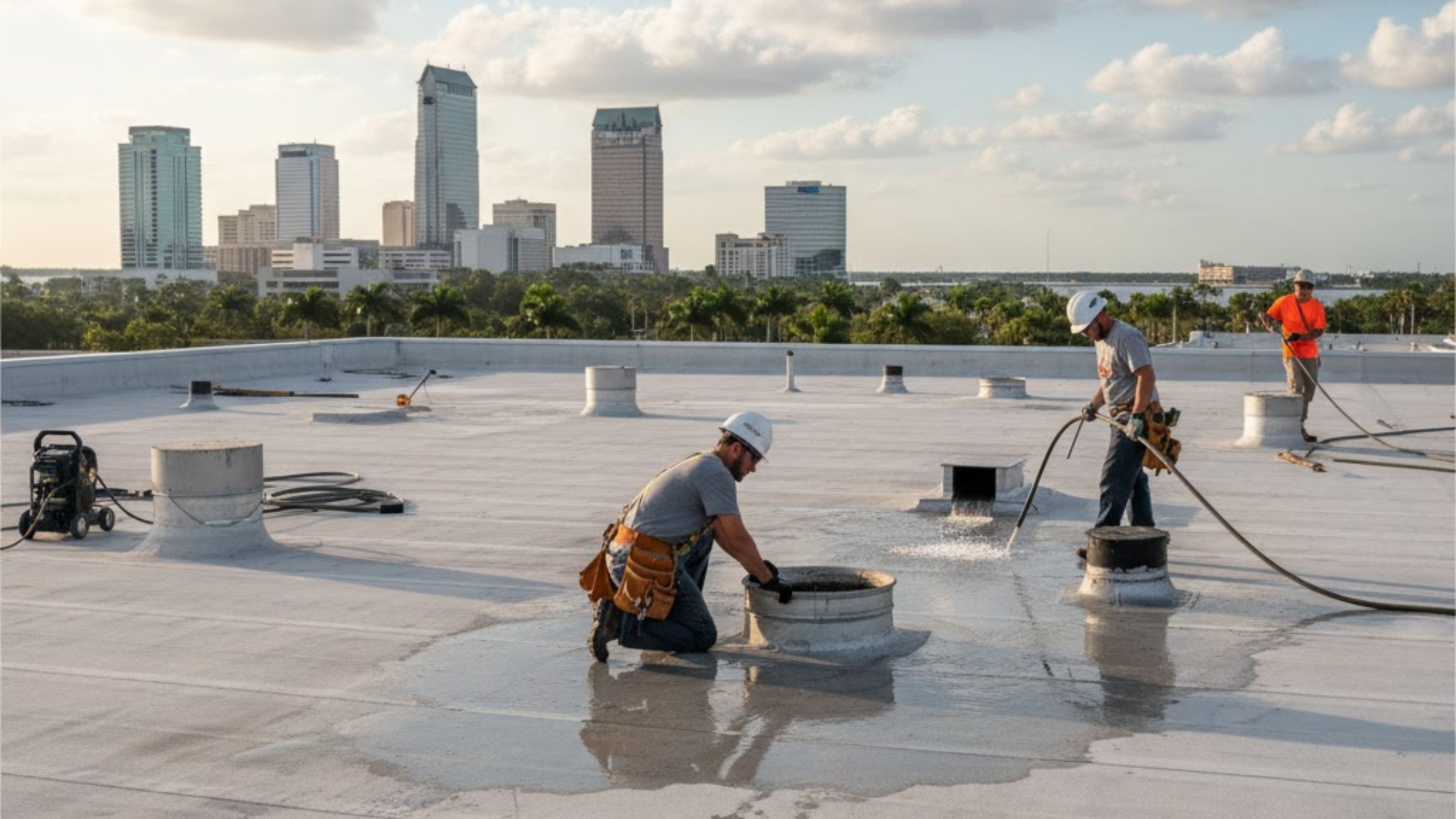
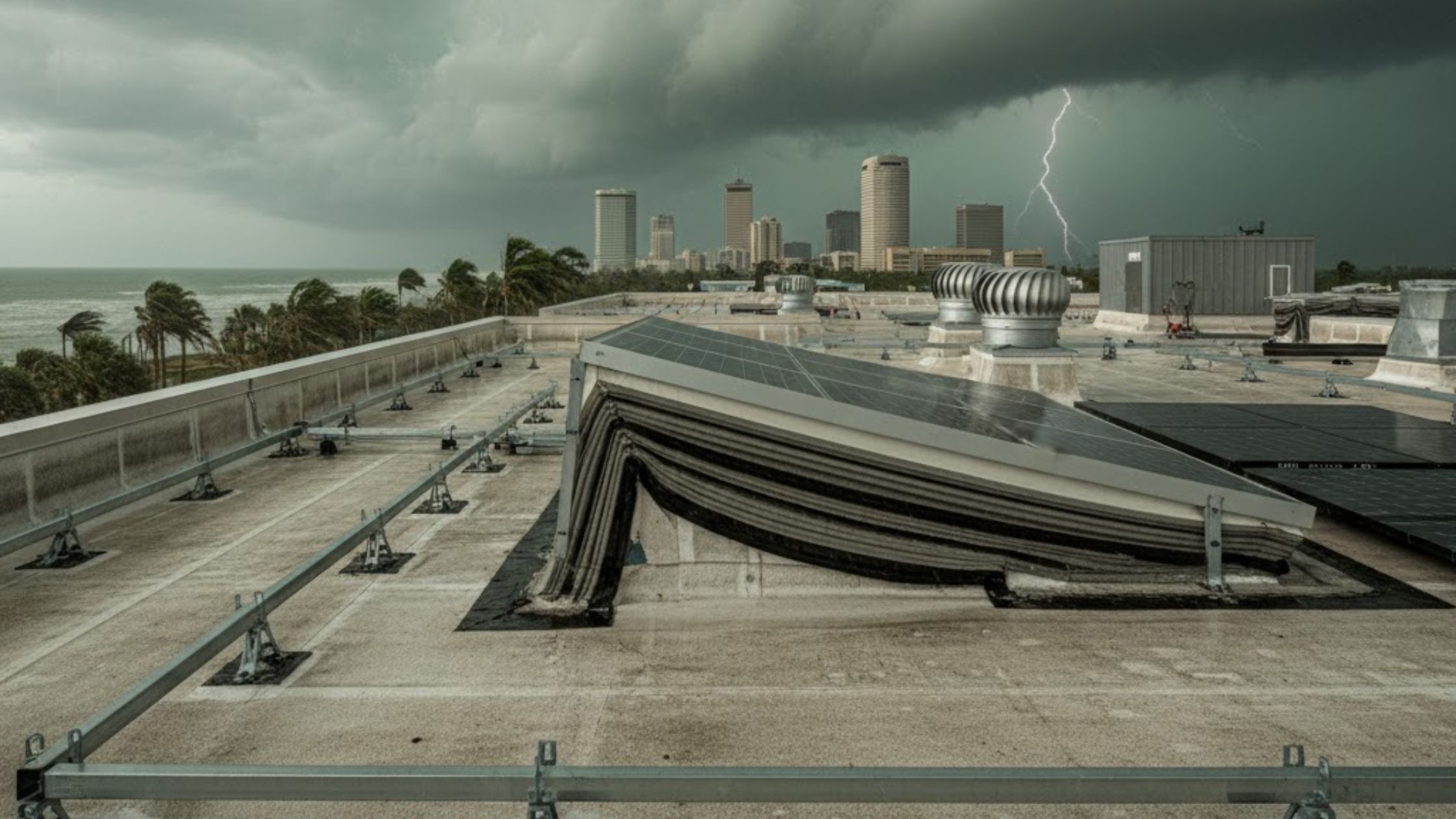
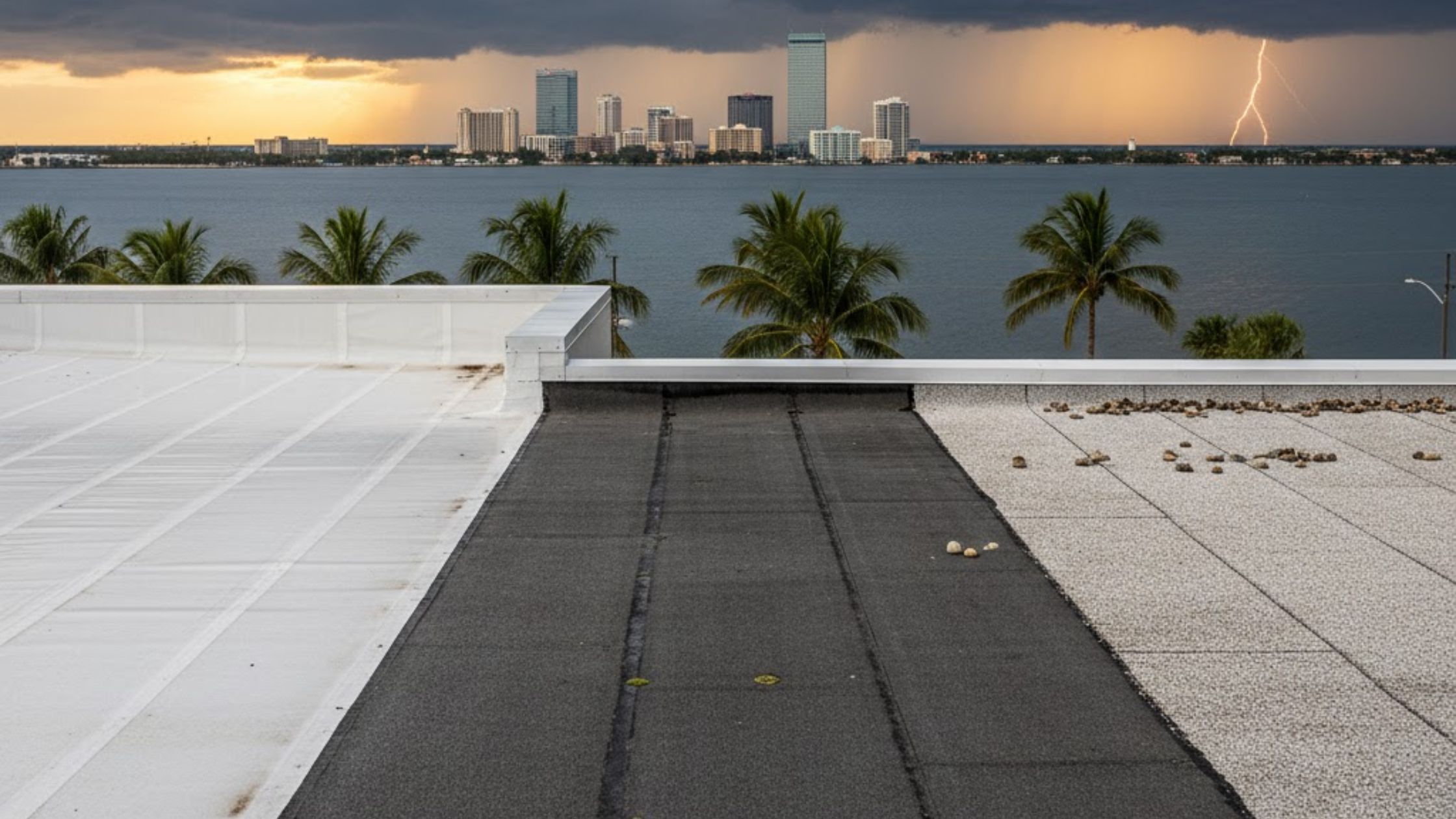
This is a crucial topic for any property owner in the humid, storm-prone climate of Central Florida, where heavy rainfall is a daily reality for much of the year. If you own a commercial building with a flat roof, you know that managing water is the single most important factor in roof longevity and structural health. The core question for any building manager is how specialists ensure that rainwater moves efficiently off the expansive, low-slope surface, preventing the destructive pooling that is so common here. The simple answer is that expert roofers address flat roof drainage through a multi-faceted approach, combining foundational structural design, specialized primary drainage systems, and mandatory overflow protection, all backed by rigorous maintenance protocols designed for the Florida environment. This comprehensive strategy is what separates temporary fixes from permanent protection for your investment, and it is the standard practice for quality Tampa Commercial Roofing services.
What is the biggest danger of water pooling on a flat commercial roof?
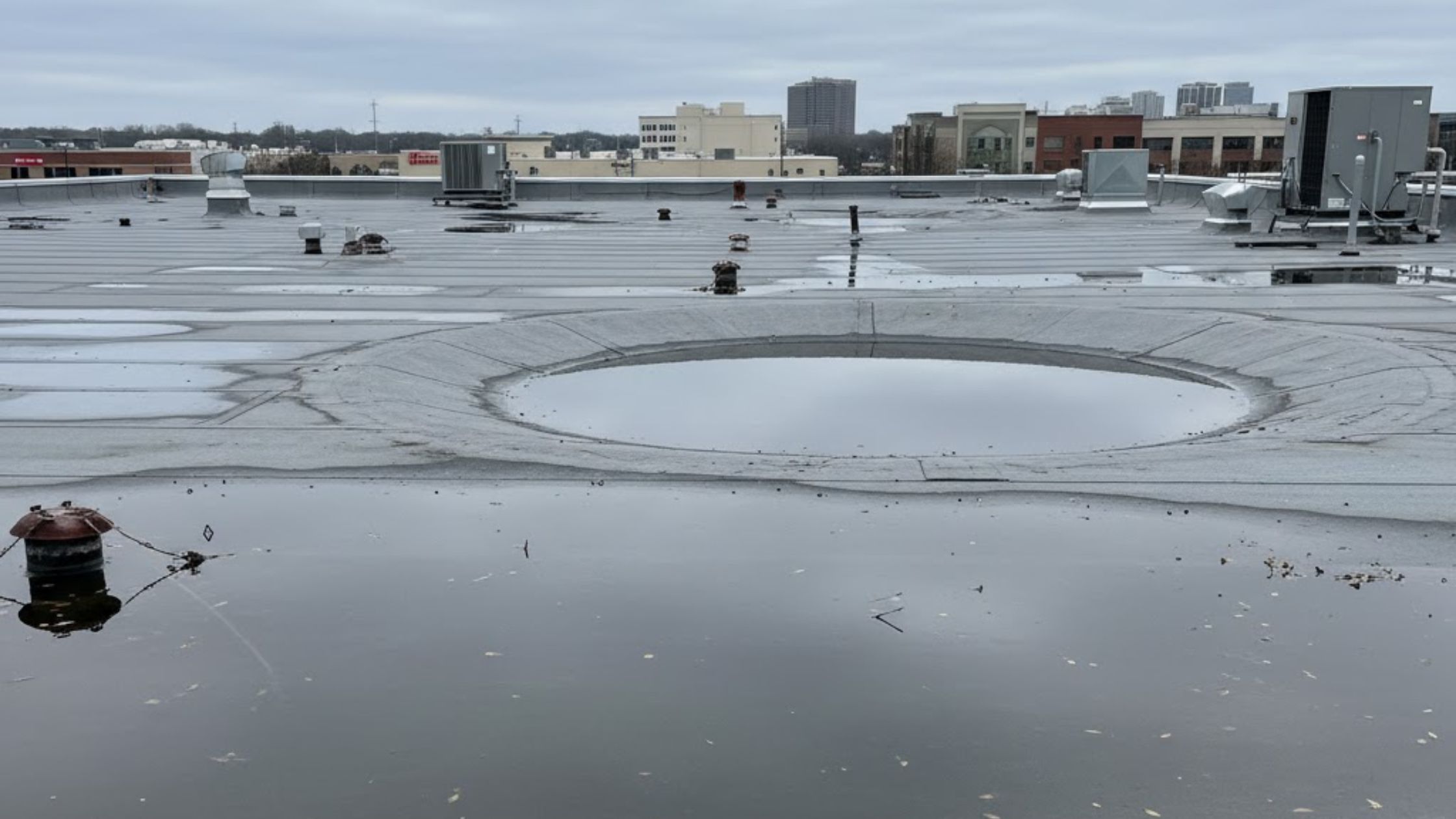
The biggest danger of water pooling, or "ponding," on a flat commercial roof is that even small amounts of standing water dramatically accelerate the degradation of the entire roofing system, potentially leading to catastrophic failure. Water that remains on a roof for more than 48 hours is officially classified as ponding water, and its presence signals an immediate and critical failure in the building’s essential drainage design. When large amounts of water accumulate, the sheer weight adds immense, unanticipated stress loads to the roof deck and supporting structural integrity of the entire building. This excessive weight can cause the deck to permanently sag, which in turn creates deeper pockets for even more water to collect in a continuous and damaging cycle.
The Immediate Threat of Ponding Water
Standing water acts like a magnifying glass, intensifying the sun’s powerful ultraviolet (UV) rays and heat directly onto the roofing membrane beneath it. This concentrated exposure rapidly breaks down the molecular structure of materials like TPO, PVC, and modified bitumen, causing them to crack, blister, or prematurely fail. Furthermore, the water sits on the flashings and seams, slowly working its way into the smallest gaps or imperfections, leading to immediate leaks inside the building. These leaks, often hidden inside the ceiling structure, can ruin interior products, damage expensive equipment, and lead to costly business interruption. Dealing with the immediate threats of ponding water is a primary concern for any professional roofer operating in this region.
In the Florida climate, water stagnation quickly fosters the growth of biological contaminants such as algae, mold, and fungus, creating an unhealthy ecosystem on the rooftop. This organic growth not only degrades the roofing materials but can also present significant health hazards if spores are drawn into the building’s air intake and ventilation systems. The presence of these contaminants is a clear visual indicator that the roof is not drying correctly, and it demands immediate remediation by a qualified professional team. Ignoring this biological hazard compromises the safety of both the structure and the occupants within the facility.
Long-Term Structural and Health Risks
Over a longer period, constant ponding water erodes the underlying components of the roofing system, especially the insulation boards beneath the main membrane. Once insulation becomes saturated with water, its thermal performance, known as its R-value, plummets drastically, resulting in much higher energy consumption for the building owner. Saturated insulation also traps moisture against the metal or wood deck, initiating corrosion or rot that weakens the core structural integrity of the roof assembly. This moisture can permeate the building envelope, causing expensive damage that extends far beyond the surface membrane itself. Addressing these long-term risks early is why preventative measures are always more cost-effective than reactive repairs.
The most dangerous long-term risk of unaddressed ponding is the potential for catastrophic collapse, particularly during hurricane season when the roof is subjected to both ponding from continuous rain and high wind uplift forces. Florida building codes mandate strict design requirements specifically to prevent this, ensuring that the roof can handle maximum expected rain loads. However, if a drainage system is compromised, these load limits can be quickly exceeded, especially on older buildings or those with structural deficiencies. To ensure your building meets the highest standard of structural resilience, we encourage you to review our portfolio of successfully completed projects and complex drainage installations across the region.
Foundational Solutions: How Commercial Roof Design Prevents Stagnation

Effective water management begins long before the roofing membrane is installed; it starts with the initial commercial roof design, focusing on creating subtle, internal slopes that direct water to specific evacuation points. Although called "flat," a properly designed roof is never truly flat but incorporates a slight pitch or slope of at least 1/4 inch per foot to ensure positive drainage toward the drains or perimeter edge. This minimum slope is a non-negotiable requirement under most modern commercial building standards, guaranteeing that gravity works to pull water where it is intended to go. When a new roofing system is installed, correcting an existing design flaw is the first step in long-term ponding prevention.
The work performed by a qualified Tampa Commercial Roofing contractor includes an extensive analysis of the existing roof's elevation profile to identify low points where water naturally accumulates. They will use advanced surveying techniques and specialized leveling tools to determine the exact degree of the existing pitch and formulate a plan to either enhance it or correct it entirely. If the existing structure has settled or been improperly built, modifications to the subsurface are mandatory before any new membrane is applied. This involves installing new materials directly onto the roof deck to physically alter the contours and ensure the positive flow of water across the entire surface.
The Critical Role of Tapered Insulation Systems
The most common and effective method for creating the necessary slope on an existing or new flat roof is the installation of a tapered insulation system. This system consists of rigid foam insulation panels that are manufactured with a precise, slight angle built into them, typically the required 1/4 inch per foot pitch. These pre-cut panels are strategically placed on the roof deck to create a continuous incline, effectively diverting water from high points toward the designated drainage sumps or perimeter gutters. Tapered insulation is essential not only for managing water but also for providing crucial thermal protection for the building.
Installing a tapered insulation system requires meticulous planning and a detailed layout known as a 'tapered plan,' which must be approved by an engineer before installation begins. The plan dictates the placement of every single insulation board, ensuring that all components interlock perfectly to form a consistent, positive slope leading directly to the drain bowl. Failure to follow this plan precisely can result in inconsistencies in the slope, creating new "mini-ponds" where the water is intended to flow away. Our teams at CB Roofing Solutions are highly trained in the precise installation and layout of complex tapered systems, guaranteeing immediate and effective drainage the moment the first rain falls.
Engineered Pitch and Slope Requirements
In addition to tapered insulation, commercial roof design may also utilize structural components like "sleepers" or "crickets" to create localized slopes around drainage components. A cricket is a small, peaked construction, often triangular or diamond-shaped, built into the roofing assembly to divert water away from vertical transitions like chimneys, HVAC units, or rooftop protrusions. These structures prevent water from accumulating in tight corners where the membrane is most stressed and therefore most vulnerable to failure. Crickets are mandatory features around any object penetrating the roof surface.
The goal of engineered pitch and slope requirements goes beyond just moving water; it ensures compliance with the Florida Building Code, which requires positive drainage on all new and replacement commercial roofing systems. Positive drainage means there can be no standing water remaining on the roof surface 48 hours after a rainfall event under expected conditions. This regulatory requirement forces roofers to treat drainage as a fundamental engineering component of the system, not just an afterthought. When designing a new system, structural loads are calculated based on the roof's capacity to handle the weight of water until it can be fully evacuated, reinforcing the deck if necessary to meet these safety thresholds.
The Three Primary Drainage Components for Flat Roofs
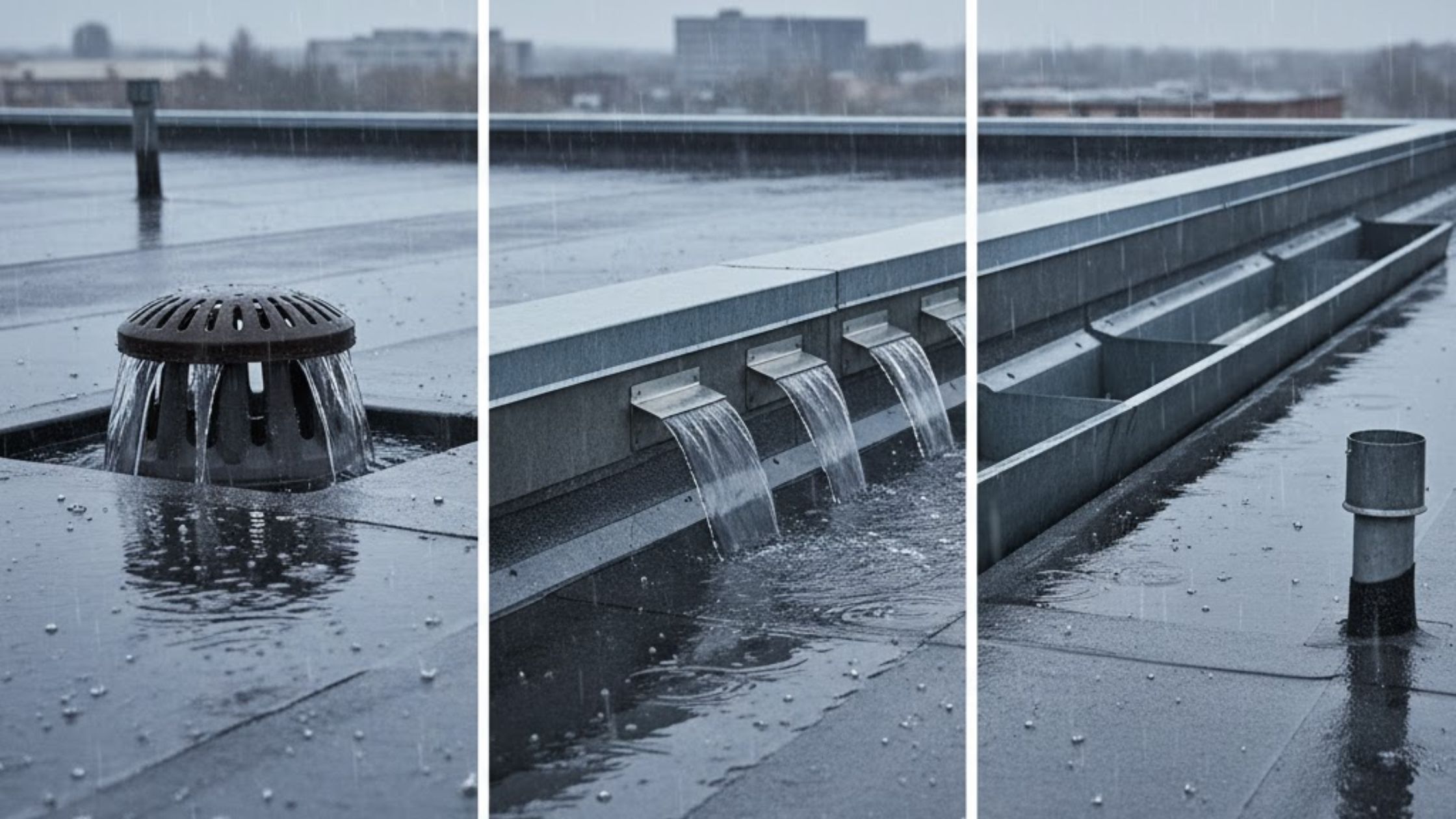
Once the roof surface itself has been engineered with a positive pitch, the next critical element is the installation of the primary drainage components designed to evacuate the water rapidly. In the commercial setting, roofers primarily rely on three systems to achieve this: interior drains, scuppers, and traditional gutters and downspouts. Each system serves a distinct purpose, and on many large commercial structures, a combination of these elements is employed to provide redundancy and ensure optimal water removal regardless of rainfall intensity. Understanding the mechanics of each component is vital for effective maintenance and repair.
Interior Roof Drains and Their Design
Interior drains are the most common solution for large, expansive commercial roofs, as they allow water to be collected and channeled through pipes located safely within the conditioned space of the building. These drains are typically placed at the lowest points of the roof, often within a depression known as a sump, which is created by the tapered insulation system to facilitate the flow of water directly into the drain bowl. An interior drain consists of several essential parts: a drain body, a clamping ring, and a removable strainer or dome basket positioned above the opening.
The clamping ring is a crucial component that sandwiches the roofing membrane tightly against the drain body, creating a watertight seal that prevents water from infiltrating the roofing assembly at the most vulnerable point. The drain basket, or dome strainer, sits atop the drain and acts as a filter, preventing leaves, branches, rocks, and other debris from entering and clogging the internal pipe system, which would cause an immediate backup. Regular inspection and cleaning of these drain baskets are the easiest and most important maintenance tasks a building owner can undertake to prevent ponding. CB Roofing Solutions provides detailed checklists for these regular inspections to all our clients.
Scuppers: The Emergency and Perimeter Solution
Scuppers are openings or cuts placed along the perimeter walls of the flat roof, designed to allow water to drain off the side of the building and into an external downspout or directly onto the ground below. While internal drains handle the bulk of regular rainfall, scuppers are often used as an overflow or emergency system, preventing water from building up to dangerous levels if the primary drains become blocked. They are typically installed a few inches higher than the primary drain elevation to ensure they only activate when the ponding water reaches a predefined, hazardous depth.
Scuppers are essential for complying with Florida Building Code requirements for secondary or emergency drainage. The size and quantity of scuppers are carefully calculated based on the roof area and the expected maximum rainfall intensity for the region. When installed correctly, the scupper opening is lined with a sealed metal sleeve or a membrane boot to ensure a seamless, watertight transition through the parapet wall. Proper perimeter flashing and sealant application around scupper throats are critical to prevent leaks at the roof's edge, a common point of failure if the installation is rushed or improperly executed.
Commercial Gutters and Downspouts
Gutters are the traditional way to manage perimeter water flow and are frequently used in conjunction with scuppers to direct water safely away from the building's foundation. Instead of allowing water to cascade directly over the edge, commercial gutters collect the runoff from the perimeter or from scupper conductor heads and channel it to designated downspouts. This organized direction of water protects the building facade, prevents splash-back onto exterior walls, and ensures that large volumes of water are discharged in appropriate locations, often into storm drains or retention systems.
In high-wind areas like Tampa, commercial gutters must be robustly secured with heavy-duty brackets and fasteners to withstand the intense forces of hurricanes and tropical storms. Weakly attached gutters can be ripped away, not only failing to perform their drainage function but also becoming dangerous projectiles. Furthermore, gutter maintenance is paramount: clogged gutters and downspouts are one of the leading causes of ponding on commercial properties, as they create an immediate dam that stops water from evacuating the roof surface. Regular inspection for debris, leaves, and nesting animals is non-negotiable for effective long-term water management. If you are experiencing repeated clogging or structural issues with your perimeter drainage system, please contact us immediately for a professional assessment.
Advanced Drainage Techniques for Complex Commercial Roofs
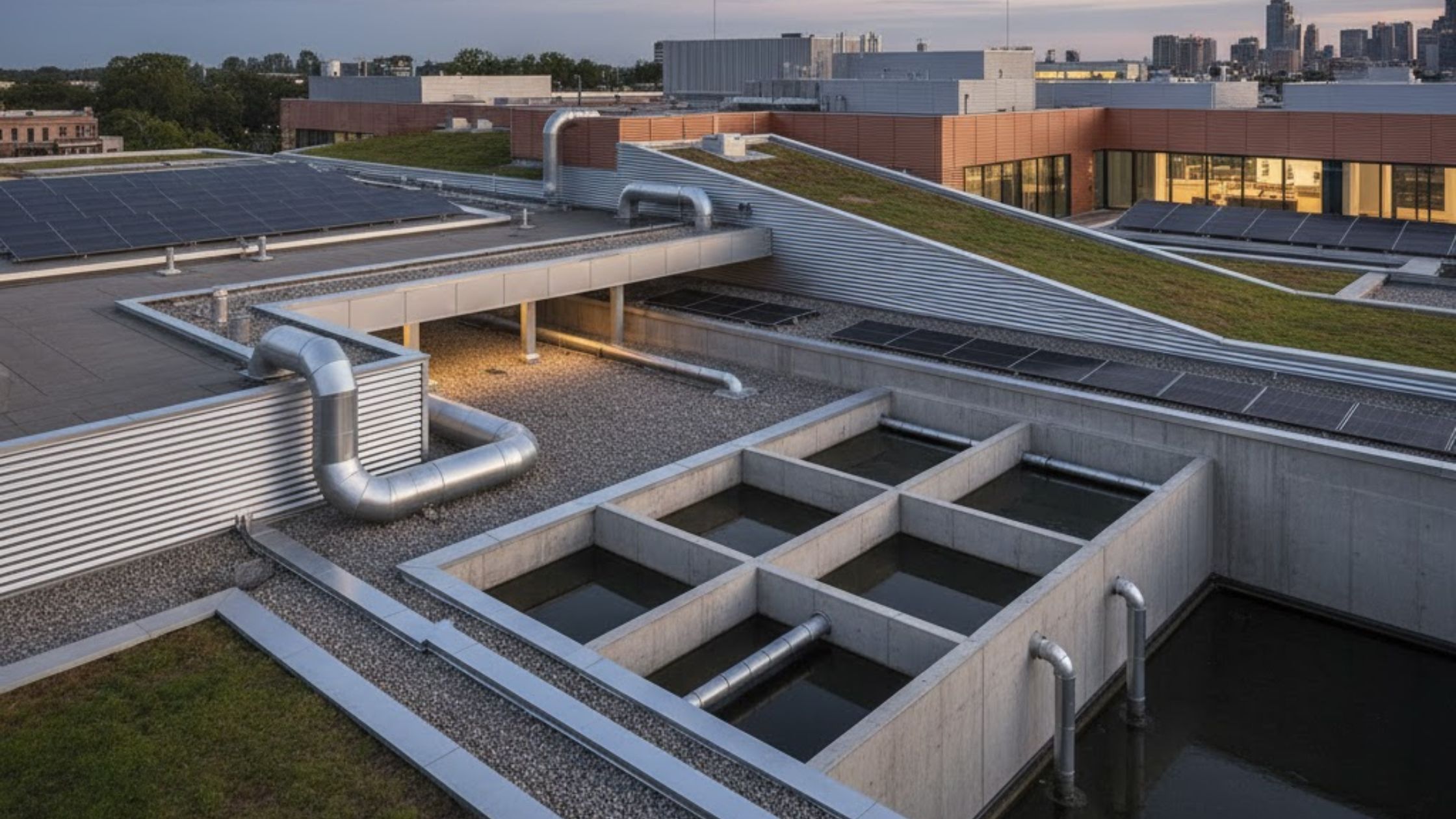
For buildings with unique architectural challenges, high-value interiors, or extremely large surface areas, standard drainage solutions may not offer the required efficiency or redundancy. In these situations, Tampa Commercial Roofing experts may employ advanced systems that use hydraulics, pressurized flow, or even natural landscaping to manage storm runoff. These specialized techniques are often more expensive to install but offer superior performance and higher capacity for handling the intense, short-duration downpours characteristic of the Florida climate. They represent the cutting edge of modern water management on commercial structures.
Siphonic Drainage Systems Explained
Siphonic roof drainage systems represent a highly efficient alternative to traditional gravity-fed internal drains, capable of moving dramatically larger volumes of water using smaller-diameter pipes. The siphonic principle relies on eliminating air from the system, which creates negative pressure and utilizes the full bore of the pipe to suck water off the roof at high velocity. As the water level on the roof rises, the specifically designed siphonic roof drains, which include anti-vortex plates, prevent air from being drawn in, initiating a full-flow condition and creating the powerful siphon effect.
The primary benefit of a siphonic system is its efficiency, allowing for fewer downpipes and simplified routing through the building structure, which can significantly reduce the overall installation cost and complexity. It is especially beneficial for buildings that require clean, open floor plans, as fewer vertical pipes are needed to pass through the conditioned space. However, siphonic systems require specialized design and certification to ensure the calculations for pipe diameter and pitch are precisely correct for the expected roof load. An incorrectly designed siphonic system will fail to activate the siphonic effect, resulting in poor drainage performance.
Green Roofs and Permeable Drainage Layers
While not strictly a drainage system, the implementation of green roofs—or vegetative roofs—offers an innovative, natural solution for mitigating storm runoff and managing water volume before it ever reaches the drainage components. A green roof incorporates a layer of vegetation and soil placed over a high-performance waterproof membrane, effectively turning the roof into a natural sponge. The soil and plants absorb a significant percentage of the rainfall, releasing it slowly through evapotranspiration rather than all at once. This significantly reduces the hydraulic load on the building's drainage infrastructure during peak storms.
Below the vegetation layer, a green roof utilizes a complex permeable drainage layer, typically consisting of granular materials or manufactured drainage mats, to manage the excess water that the plants cannot absorb. This layer ensures that any surplus water is channeled slowly and efficiently towards the primary roof drains without causing saturation or waterlogging in the growing medium. While green roofs are often chosen for their aesthetic and environmental benefits, their capacity to dramatically improve storm water management and reduce overall runoff volume makes them a specialized, highly effective commercial roof design Tampa option.
Maintenance Protocols: The Non-Negotiable Step in Ponding Water Prevention FL
Even the most expertly designed and installed flat roof drainage system will eventually fail without a rigorous and consistent maintenance plan tailored to the unique environmental conditions of Florida. The environment here—characterized by rapid, intense summer storms, high humidity, and abundant foliage—means that debris accumulation and membrane wear occur at an accelerated rate. Proper maintenance is not merely about extending the roof’s lifespan; it is the active prevention of ponding, structural overload, and unexpected, business-disrupting leaks. A proactive maintenance contract is the single best investment a commercial property owner can make.
Seasonal Inspections and Debris Removal
The most immediate and critical maintenance task is the regular, seasonal inspection and removal of all debris from the roof surface, concentrating particularly on drain components, scuppers, and gutter runs. Leaves, pine needles, dirt, construction residue, and even discarded trash can quickly accumulate around drain baskets, creating a blockage that acts as a dam against the free flow of water. These blockages can form rapidly after a single thunderstorm or high-wind event, meaning that post-storm inspections are as vital as the scheduled seasonal checks. Debris removal must be done carefully to avoid damaging the roofing membrane or sealant around the drainage components.
Professional inspection teams are trained to do more than just clean; they perform a systematic audit of the entire drainage system. They check that all drain baskets are securely in place and that the interior of the drain bowl is free of sediment that may have passed through the strainer. For scuppers, they ensure that the exterior downspouts are properly attached and free of internal clogs, using specialized tools to probe and clear any obstructions. This comprehensive debris removal process guarantees that the entire water evacuation pathway is clear and functioning at its designed capacity, ready for the next heavy rain.
Addressing Small Issues Before They Become Catastrophes
A critical part of the maintenance protocol involves identifying and addressing the small, subtle signs of system failure that often precede massive leaks or structural issues. A professional inspection should look for areas where the membrane material is beginning to separate from the flashing around the drain body, a process known as membrane stress. They also look for any signs of biological growth, such as mold or moss, which indicate persistent dampness and are often the first sign of a failure in the pitch or tapered system. Catching these small issues is the heart of preventative care.
Another key maintenance activity is the renewal of sealants. Over time, the sealant used to waterproof penetration points, like pipe boots and equipment curbs, will degrade due to continuous exposure to UV rays and temperature fluctuations. During an inspection, the roofing contractor will check the condition of all sealants and remove and reapply fresh, high-quality material where necessary to maintain a watertight seal. If the inspection reveals evidence of chronic ponding in a specific area, the maintenance team may recommend a minor modification, such as adding a localized cricket or modifying the drain bowl's height, to permanently correct the flow issue. This kind of targeted repair dramatically extends the life of the surrounding roofing materials.
The Role of Roofing Membranes in Water Resistance
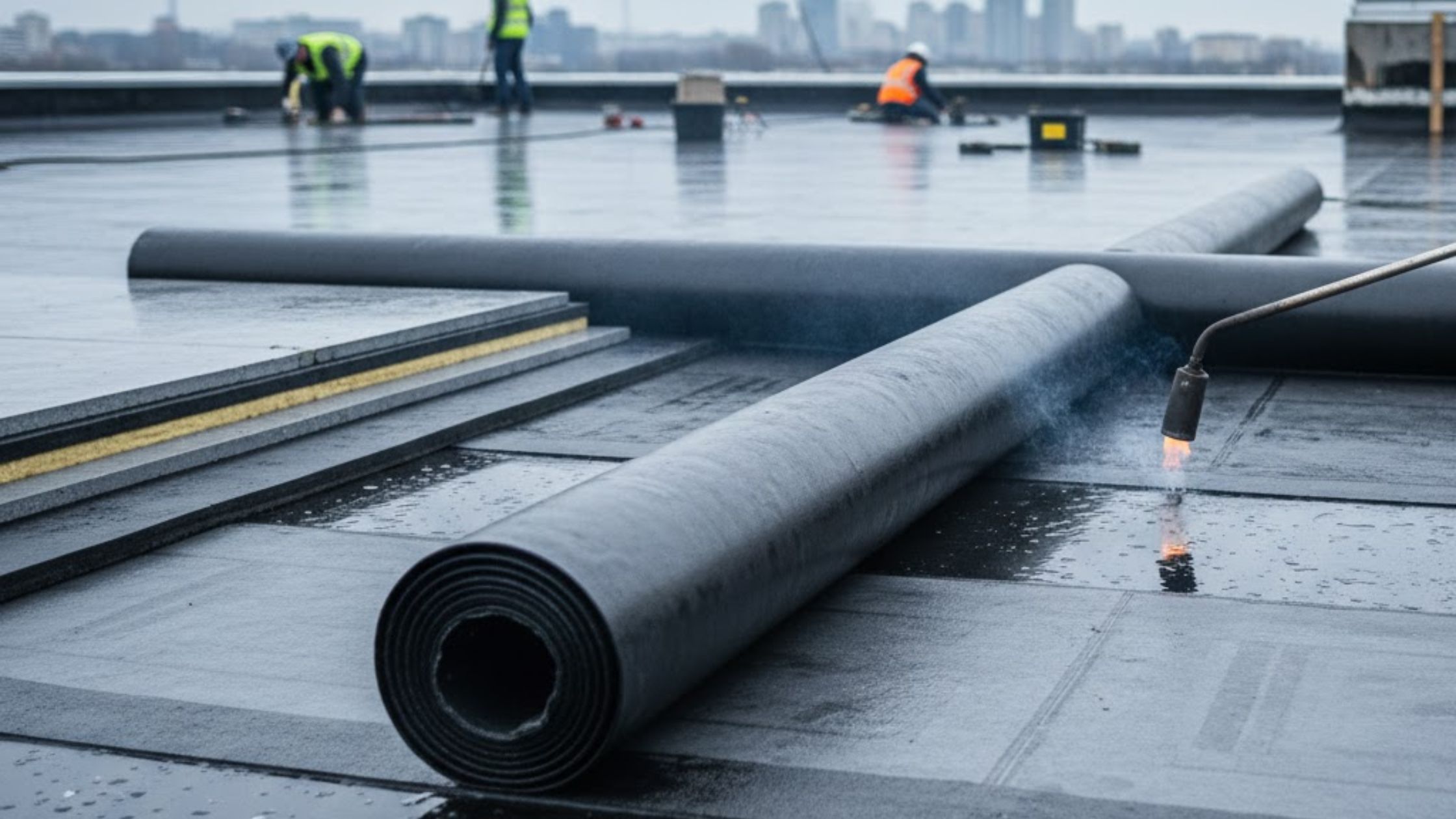
While drainage systems are responsible for evacuating water, the roofing membrane itself plays a crucial, passive role in water management, acting as the final, absolute barrier against infiltration. The choice of roofing material is especially significant for flat roofs, as the membrane must be able to withstand extended exposure to moisture, UV radiation, and high temperatures without compromising its integrity. In the demanding Florida environment, the material’s resistance to chemical erosion from standing water and biological growth is paramount to its long-term success.
PVC and TPO: Performance Against Standing Water
Polyvinyl Chloride (PVC) and Thermoplastic Polyolefin (TPO) are single-ply membranes that are extremely popular for commercial flat roofs due to their heat-welded seams and inherent resilience. These materials create a seamless, monolithic seal across the roof deck, and their factory-controlled manufacturing process ensures a high degree of consistency. Critically, both PVC and TPO exhibit excellent resistance to ponding water because they are not porous and are formulated to resist chemical breakdown from constant moisture exposure. The heat-welded seams, when properly executed by a skilled installer, are stronger than the sheet material itself, eliminating the weak points commonly found in other roofing systems.
PVC, in particular, has a high chemical resistance, making it an excellent choice for restaurants or industrial buildings where grease, oils, or chemical runoff might mix with ponding water. TPO is valued for its reflective properties, which help reduce the roof surface temperature and lower the energy costs associated with air conditioning a massive commercial building in the Florida sun. Both membranes are installed with attention to detail around drain components, where the material is cut and seamlessly welded to the drain's clamping ring, ensuring a complete, watertight seal that handles the stress of water channeling towards the exit points.
Modified Bitumen and Built-Up Roofs (BUR)
Modified bitumen and built-up roofs (BUR), often referred to as "tar and gravel" roofs, are multi-layered systems that handle water differently than single-ply membranes. Modified bitumen, a hybrid system of asphalt and rubber polymers, is installed in rolls with overlapping seams that are either torched down or cold-applied using adhesive. BUR systems utilize multiple layers of felts and asphalt applied hot, creating a robust, redundant system that has been used for over a century. While highly durable, these systems are more susceptible to blistering and membrane fatigue from long-term ponding water.
For these multi-layer systems, the integrity of the surface coating is essential. UV-reflective coatings or granular cap sheets are often applied to protect the underlying bituminous layers from sun exposure and temperature shifts, which can exacerbate the effects of standing water. If ponding persists on a BUR or modified bitumen roof, the water can penetrate minute cracks in the surface, leading to localized saturation of the underlying felt and, eventually, leaks. For these systems, it is even more critical that the tapered insulation beneath is performing perfectly to ensure rapid and complete drainage across the roof surface.
Navigating Florida Building Code and Permitting
Any work involving the installation, modification, or replacement of a commercial roof drainage system in Florida must strictly adhere to the Florida Building Code (FBC) and any specific local ordinances enforced by municipalities like Tampa. The FBC is designed to ensure maximum public safety and structural resilience, particularly against the severe weather events common to the region, such as hurricanes and tropical depressions. Ignoring these codes is not only illegal but also leaves the building vulnerable to costly and dangerous failures when high-load conditions occur. Professional roofers are responsible for navigating this complex regulatory landscape.
Mandatory Overflow Protection (Redundancy in Design)
One of the most critical aspects of the FBC regarding commercial flat roofs is the mandatory requirement for overflow protection, which ensures the system has redundancy in the event of a primary drain failure. This means that a commercial roof must be equipped with two independent means of draining water: the primary drainage system (e.g., internal drains or gutters) and a secondary or emergency drainage system (e.g., scuppers or secondary internal drains) that activate at a higher water level. This redundancy is designed to prevent hydrostatic pressure from building up and causing structural collapse if the main system is clogged or overwhelmed during an intense storm.
The secondary drains, typically set at an elevation higher than the primary drains, serve as a relief valve, limiting the maximum depth of water accumulation on the roof. If the water level reaches the secondary drain height, it will drain the excess water, often discharging it over the side of the building to provide a visual warning that the primary system is compromised. A professional roofer will size both the primary and secondary systems based on the maximum calculated rainfall rate for the Tampa area, ensuring the roof can handle the heaviest expected loads without exceeding safe weight thresholds.
Local Permitting for Drainage System Alterations
Before any significant work begins on a commercial roof drainage system—whether it’s a full replacement, a change in the drainage type, or the installation of tapered insulation—a local building permit is required from the relevant jurisdiction, such as the City of Tampa or Hillsborough County. The permitting process involves submitting detailed plans and engineering calculations for review by the building department, ensuring the proposed system meets all FBC requirements, including wind load resistance, fire safety, and drainage capacity.
A skilled contractor handles this entire process, from preparing the architectural plans that detail the new roof design and drainage layout to managing the inspection schedule. Attempting to bypass the permitting process can result in costly stop-work orders, fines, and the potential requirement to tear out and replace non-compliant work, which is a significant liability for the building owner. By working with a professional team, the property manager ensures that all work is compliant, certified, and fully documented for insurance and future sale purposes.
Frequently Asked Questions About Flat Roof Drainage
To help commercial property owners better understand the complexities of their roofing systems, we have compiled answers to common questions about water management and flat roof maintenance. These details provide practical insights into the challenges and solutions inherent in maintaining these large, critical structures.
What causes water to start pooling on a flat roof?
Water pooling on a flat roof is almost always caused by one of two root issues: either the initial structural design failed to incorporate an adequate pitch for positive drainage, or the existing drainage components are blocked or failing. Poor initial design means the roof deck has naturally settled into a flat or slightly concave shape, preventing water from flowing effectively to the drains. Blockages, such as heavy debris in a drain basket or clogs in a gutter downspout, stop the water from evacuating, leading to a rapid and hazardous accumulation of liquid weight.
Is any amount of standing water acceptable on a commercial flat roof?
No, the consensus among roofing engineers and the standard set by the Florida Building Code is that no amount of standing water should remain on a flat roof for more than 48 hours following a rainfall event under normal ambient conditions. While it is nearly impossible for a roof to be perfectly dry immediately after rain, any water that persists beyond the 48-hour threshold is classified as ponding and indicates a failure in the positive drainage system. If you observe water persisting longer than two days, immediate inspection and repair are necessary to prevent membrane damage.
How often should commercial roof drains and scuppers be cleaned?
The frequency of cleaning depends heavily on the surrounding environment, but a minimum of two thorough inspections and cleanings per year—once in the spring before the intense summer rain season and once in the fall after major leaf drop—is highly recommended for the Tampa area. Buildings surrounded by large trees or those in industrial areas prone to airborne debris may require quarterly inspections. Furthermore, every roof should be inspected immediately after a major storm, hurricane, or tropical event to ensure that wind-borne debris has not created immediate clogs in the drainage pathways.
Can tapered insulation be added to an existing roof to fix ponding?
Yes, adding a tapered insulation system is the most effective and common method for fixing chronic ponding issues on an existing flat roof, provided the underlying structure is sound. This process, often part of a full roof replacement or re-cover project, involves applying custom-cut insulation panels with a factory-designed slope directly over the existing roof deck. This physically corrects the low spots and directs water flow to the drains. It is a fundamental engineering solution that addresses the root cause of the drainage failure rather than just patching the consequences.
Does the roofing material affect the speed of drainage?
While the pitch of the roof dictates the flow of water, the smoothness and texture of the roofing material can affect the speed at which water travels across the membrane surface. Single-ply membranes like PVC and TPO are typically very smooth, which allows water to flow quickly and minimizes resistance. By contrast, surfaces with rougher textures, like granule-coated modified bitumen or embedded aggregate in a built-up roof, can slightly impede flow and may retain small amounts of moisture. Ultimately, the drainage speed is primarily controlled by the roof's slope and the capacity of the drain system.
The Long-Term Value of Expert Commercial Roof Design Tampa
The longevity and performance of your commercial building are directly linked to the health of its flat roof, and in a high-precipitation zone like Florida, the drainage system is its lifeblood. Simply installing a waterproof membrane is not enough; the solution requires an engineered approach that understands the complex interplay between structural loading, membrane performance, and local climate realities. From the precise layout of tapered insulation that ensures a positive pitch to the mandatory redundancy provided by primary and secondary drains, every component must work in harmony.
When you entrust your property to a team experienced in the harsh demands of the region, you are investing in peace of mind, knowing your building’s envelope is secure against the next tropical downpour. The difference between a perpetually problematic roof and one that performs flawlessly for decades lies in the initial design and the diligence of the ongoing maintenance protocol. Choosing a contractor with deep expertise in managing these complex hydraulic systems ensures that your business assets remain protected year-round. This is the commitment that defines high-quality Tampa Commercial Roofing services and is central to every project we undertake.
The proactive approach—implementing redundancy, using resilient materials, and adhering to strict maintenance schedules—is the only way to safeguard your facility against the high cost of water damage and structural degradation. With a properly designed and maintained system, you eliminate the threat of standing water, reduce your energy consumption, and significantly extend the usable life of your entire roof assembly. We are proud to offer this level of guaranteed performance, ensuring that your investment stands up to the Florida weather for years to come.

Chad started CB Services in 2010, inspired by his volunteer work after Hurricane Andrew to provide trusted roofing for the Tampa Bay community.